FOR ATHLETES
Your next race.
A brand beside you.
Race sponsorship for age-groupers and everyday endurance athletes. Turn one event into a clear offer: an approved body or kit placement, agreed social content, and photo proof.
Road. Trail. Triathlon. HYROX. Choose a partnership that fits your race and its rules.
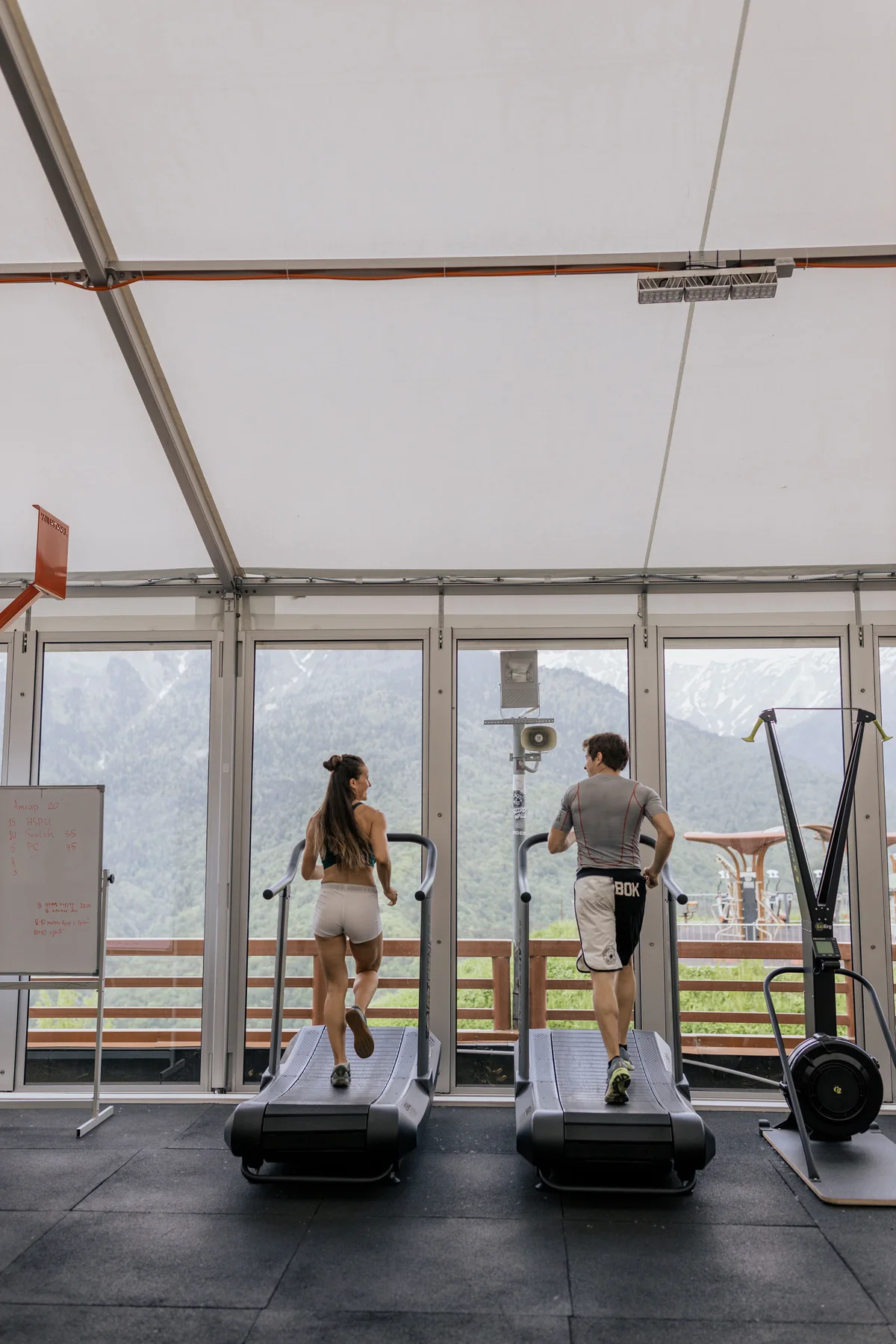
Build a package around one start line.
1. Name your race
Add the date, location, discipline and distance. Describe your audience and the community a sponsor would reach.
2. Define the offer
Choose permitted placements, set your asking price and agree the content. Confirm organizer restrictions before promising a logo on skin or kit.
3. Deliver the proof
Share the agreed posts and event photos. Use the completed package as evidence when you approach your next sponsor.
You don’t need a professional contract to make a specific offer.
A local audience, a relevant race and reliable delivery can make a useful partnership. Sponsorship is negotiated; a profile or calculator estimate does not guarantee a booking.
What belongs in your brief?
- Race name, date, location and distance
- Placement, artwork size and event permission
- Social posts, photo proof and delivery dates
- Price, usage rights and a cancellation plan
What can an everyday athlete offer a sponsor?
A relevant community
Explain where you race, the people who follow your training and why a particular brand fits. A local running community or a focused training audience can give a sponsor a clear reason to consider your proposal. Share actual audience information where you have it.
A specific placement
Offer a body or kit placement only after checking the event rules. Record the location, artwork dimensions and the clothing you expect to wear. A placement preview helps explain the idea; it is not organizer approval or a guarantee of visibility.
Content with a deadline
Describe the post format, timing, tags and proof you will supply. Agree whether the brand may reuse the work on its own channels. Extra videos, paid advertising rights and exclusivity should be explicit parts of the agreement.
Set a price for the work you are offering.
The race value calculator estimates a starter package of one placement, one social post and event photo proof. It is a planning formula, not evidence of completed deals or a promise that a sponsor will pay that amount.
Use the estimate to begin a conversation, then account for your actual deliverables. Confirm who pays for production, printing and shipping. Name the currency, any applicable fees and the final amount, and agree how changes will be handled.
A product discount, gifted equipment and a cash fee are different forms of support. Record exactly what you receive and what you owe in return. Don’t promise a testimonial for a product you have not tried.
One race or a season?
A single race gives both sides a defined start and finish. A season can work when every event, placement and content deadline is named. Do not offer vague year-round access to your time or social accounts.
The package cost guide explains how brands compare proposals. Review the payment terms before accepting a funded booking; season plans currently require separate race bookings.
Agree a response to injury, withdrawal, postponement or a placement the organizer rejects. Separate completed content from undelivered race-day work so a change can be assessed fairly.
Prepare a profile a brand can evaluate.
Start with a concise introduction, the events you are preparing for, your public social links and examples of relevant work. Where you share past race results, identify the event, year and category and provide supporting evidence. Athlete-supplied results should not be presented as independently verified achievements.
A first-time sponsored athlete can use existing training content to show their style. You do not need to invent a previous partnership. Explain what you can produce, which permissions remain outstanding and the dates you can meet.
For a detailed plan, choose the HYROX sponsorship guide, triathlon guide or trail running guide. Each covers a different set of equipment and event constraints.
Questions before your first offer
Do I need a large following?
You can prepare a proposal with a small audience. Describe its relevance and the content you can deliver, and use real metrics rather than promising reach. A sponsor decides whether that offer fits its needs; there is no guaranteed minimum audience that wins a booking.
Does listing my race guarantee sponsorship?
No. A listing is an offer for a brand to evaluate. The event, price, deliverables and terms still need agreement. Do not incur sponsorship production costs based only on a conversation or an unpaid reservation.
Can I use a temporary tattoo at any race?
No. Rules differ by organizer, event, year and division. Check the placement rules guide and confirm your own race’s requirements before committing to artwork.
What should I send after the race?
Supply the agreed placement photos, live post links and available performance metrics by the deadline. Explain any change in delivery. Keep measured views separate from follower totals and estimated event attendance.
For funded bookings, follow the proof and review process in the workspace. Keep a copy of the agreed scope so both parties can evaluate the same work.
Want to explore first? Try the athlete demo. Demo listings are fictional and changes stay on your device. The interactive workspace requires JavaScript.