FOR SPONSORS
Put your brand
in the race.
Back an athlete at a specific event. Build a race-day package around a permitted body or kit placement, social content and proof of delivery.
An athlete partnership does not make your brand an official sponsor of the event.
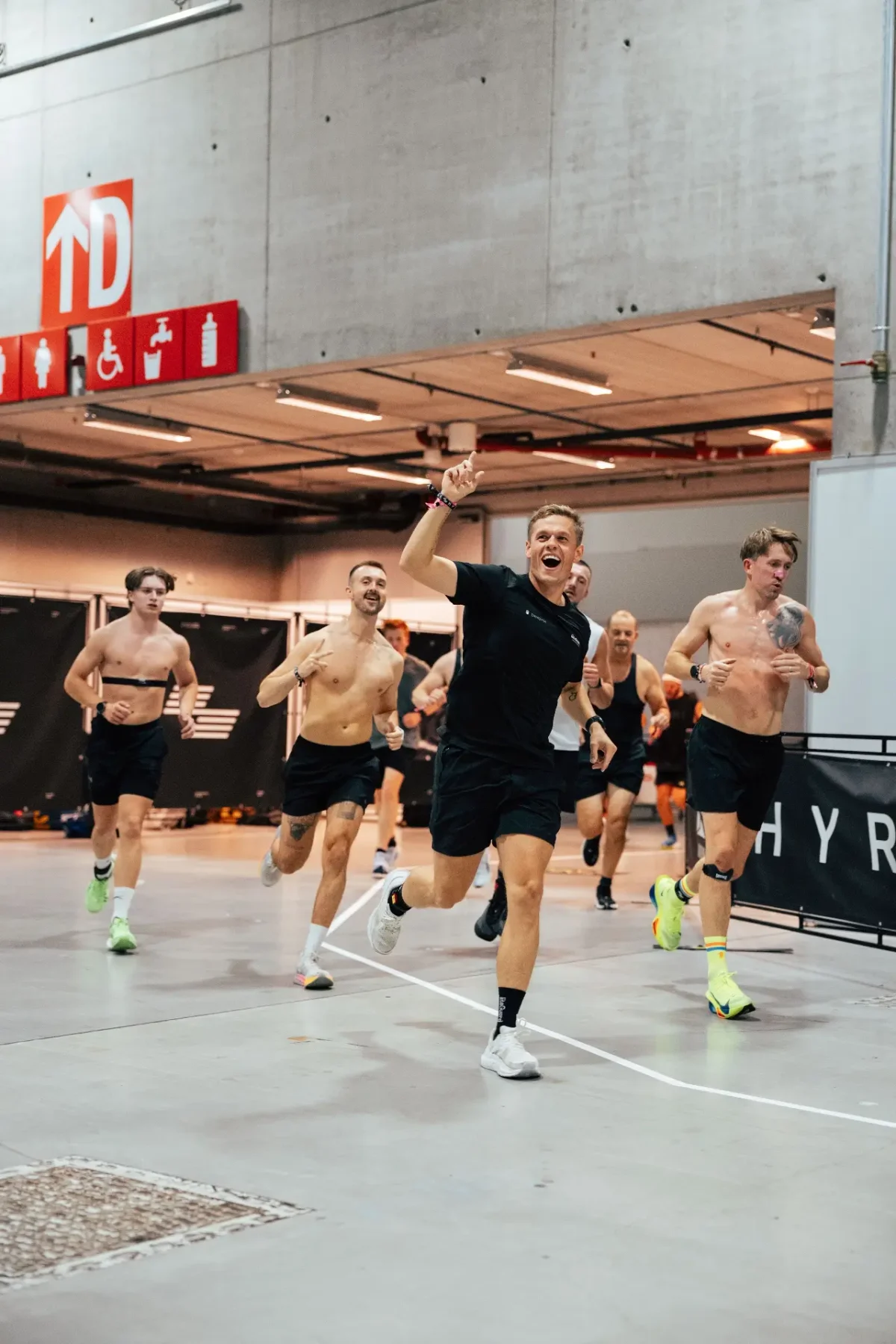
Know what you’re backing.
Find the right race
Use race, location, date and audience to find a fit. Relevance to your customers matters more than a follower count alone.
Agree the deliverables
Specify the placement, artwork, social posts, photo proof and usage rights. Confirm event permission and existing sponsor conflicts.
Review the outcome
Check the agreed content and proof. Keep measured post performance separate from estimated spectators or potential reach.
Start with a clear, per-race brief.
A first package can cover one event, one placement and one social post. Agree additional races, content or exclusivity separately so both sides know what is included.
Explore the race value calculator →Before agreeing a partnership
- Confirm audience fit and race participation
- Check the approved placement and artwork dimensions
- Set delivery dates and content reuse permissions
- Agree the full price and what happens if plans change
Read payment terms and review availability in the workspace. Do not assume checkout or payouts are enabled.
Choose an athlete for the audience you want to reach.
Begin with the customer and location that matter to your brand. Then consider the race date, discipline and athlete’s community. An athlete with relevant local followers may be a better fit for a local business than a broader account whose audience cannot use the offer.
Look at the work
Review representative training and race content. Ask for recent examples and available metrics. Distinguish measured views from followers, and avoid treating the sum of several platforms as a count of unique people.
Check participation
Confirm the named event, date and entry status. Review any performance evidence in context: event, year, distance and category. Athlete-supplied results can support a conversation without being presented as independently verified credentials.
Ask about availability
Check existing sponsor commitments, available placements and the time needed to create content. A promising profile does not establish organizer permission, category exclusivity or a confirmed booking.
Match the package to the sport.
For a road race, consider a local community story and a permitted placement that stays clear of required identification. In triathlon, check uniform rules and how swimming, riding position and running kit affect visibility.
A trail package must account for packs, layers, weather and access to photography. For HYROX, identify the exact division before considering a tattoo; an allowance in one elite event guide does not establish permission for every entry format.
Use the HYROX, triathlon and trail sponsorship guides to prepare the questions that apply to your event.
Shortlist using a common brief
Give each athlete the same proposed event, deliverables, proof deadline and usage rights when requesting a quote. If one proposal includes a video and another only a photo, the prices describe different products.
Keep the shortlist small enough to review each athlete’s work. Explain which permissions are required and which elements are optional. A clear brief helps the athlete identify what is feasible before either side spends time on artwork.
Once you know whom you want to approach, use campaign planning to turn your shortlist into a scope, measurement plan and season brief.
What does it cost to sponsor an athlete?
enduur does not publish verified average deal prices for runners, triathletes or other endurance athletes. Ask the athlete to quote the exact work. The sponsorship cost guide provides per-race and season scope examples, all clearly labeled as examples requiring quotes.
The race value calculator is an illustrative conversation starter. It does not itemize every production expense, tax or usage license. Confirm the complete payable amount and the agreed treatment of printing, shipping, extra content and rights. Check payment availability and the booking terms in the workspace before proceeding.
A season is a set of named commitments, not an automatic discount or unrestricted access to the athlete. Define every race, deadline and approval, and decide how cancellations affect the remaining events.
Evaluate delivery against the agreement.
Choose evidence the athlete can actually provide: placement photos, published content links and available post metrics. If you use a campaign link or offer code, agree the reporting window and who can access the results.
A visible logo in a photograph proves that placement at that moment. It does not establish how many spectators saw it or that every click resulted from the race. Keep evidence of delivery, content performance and business outcomes as separate parts of the review.
Agree image licenses before reusing event photography. Athlete sponsorship does not grant ownership of third-party images or permission to claim official event sponsor status.
Can a brand require a podium finish?
A finish position should not be implied by a standard package. Price and evaluate the agreed placement and content. The payment terms explain how delivery and non-finish situations are reviewed for funded bookings.
Can I explore before creating an account?
The public guides and package planning pages are available without an account. The sponsor demo uses fictional listings and local changes, so it is useful for learning the workflow but does not show verified available inventory or process a payment.
Where do I write the campaign brief?
Use the campaign planning page for scope examples and a downloadable season draft, then bring the agreed details into your conversation with the athlete.
Try the sponsor demo with fictional listings. No real sponsorships or payments take place in the demo. The interactive workspace requires JavaScript.